
SPARKLY FROG COACHING & CONSULTANCY
It’s Not Attitude. It’s Advocacy.
Why Self-Advocating Feels So Hard for Autistic and ADHD Adults
For many late-identified autistic and ADHD adults, self-advocacy isn’t just uncomfortable - it can feel physiologically impossible.
By the time you need to speak up, something has usually already gone wrong. You’ve reached sensory overload, a boundary’s been crossed, or a situation has become unmanageable. In that moment, your nervous system has flipped from logic to survival.
Inside, it’s turmoil - panic, frustration, shame, disappointment.
Outside, it might look like anger, tears, or shutting down completely.
Yet so often, this is the point where we’re told we’re “overreacting” or “being difficult”.
What’s really happening in the brain
When you’re forced to self-advocate mid-overload, your amygdala (the brain’s alarm system) takes control. The rational, well-spoken version of you vanishes. You’re flooded with adrenaline, running on fight-flight-freeze-fawn.
Freeze or fawn: smile, nod, agree - and pay later.
Flight: escape before meltdown.
Fright: words come out faster and louder than intended.
To the outside world, it might look like anger. Inside, it’s distress - the body doing its best to survive.
Layer in alexithymia (difficulty recognising emotions), RSD (rejection-sensitive dysphoria) and PDA traits (intense demand sensitivity), and that simple “Can we turn the lights down?” can feel like climbing Everest.
The physiology of self-advocacy
We often think of self-advocacy as a communication skill - but it’s actually a regulation skill.
When your brain moves into survival mode, language takes a back seat. Speech, reasoning and emotional control are luxuries the nervous system can’t spare.
So, when your words tumble out clumsily, or your tone sounds sharper than you meant, it isn’t a lack of professionalism or grace.
It’s your body doing what it’s designed to do - protect you.
And that’s something to honour, not judge.
So what helps when self-advocacy goes sideways?
Regulate first, communicate second. Calm your body - move, stretch, breathe.
Use scripts or notes. Words on paper can speak when your voice can’t.
Anchor phrases. “I need a break.” “Can we revisit this later?” “I’m not angry - I’m overwhelmed.”
Debrief afterwards. Reflect on what triggered you, what worked, what didn’t.
If you’re supporting someone: listen, validate, slow down, reduce sensory input.
For allies and leaders
When someone self-advocates, you’re not seeing attitude - you’re witnessing courage.
It takes enormous energy to speak up when your nervous system is screaming retreat.
Good allyship isn’t about grand gestures.
It’s about predictability, patience and presence.
Ask early: “What helps you be at your best?”
That one question can prevent so many crises later.
Moving from survival to self-trust
Every time you advocate for yourself - even awkwardly - you teach your brain that your needs are valid. Over time, that shifts survival into self-trust.
If you’re tired of navigating these moments alone, my resources are here to help:
🐸 Free Self-Advocacy Template (coming soon) - to record and communicate your needs non-verbally, before or during a situation.
✨ See Your Story a guided journal to help you understand where your patterns of silence and people-pleasing began.
✨ Exactly Enough a self-paced course to help you build boundaries and self-advocacy skills with compassion, not burnout.
Because it’s not attitude.
It’s advocacy.
And what looks like conflict is often courage.
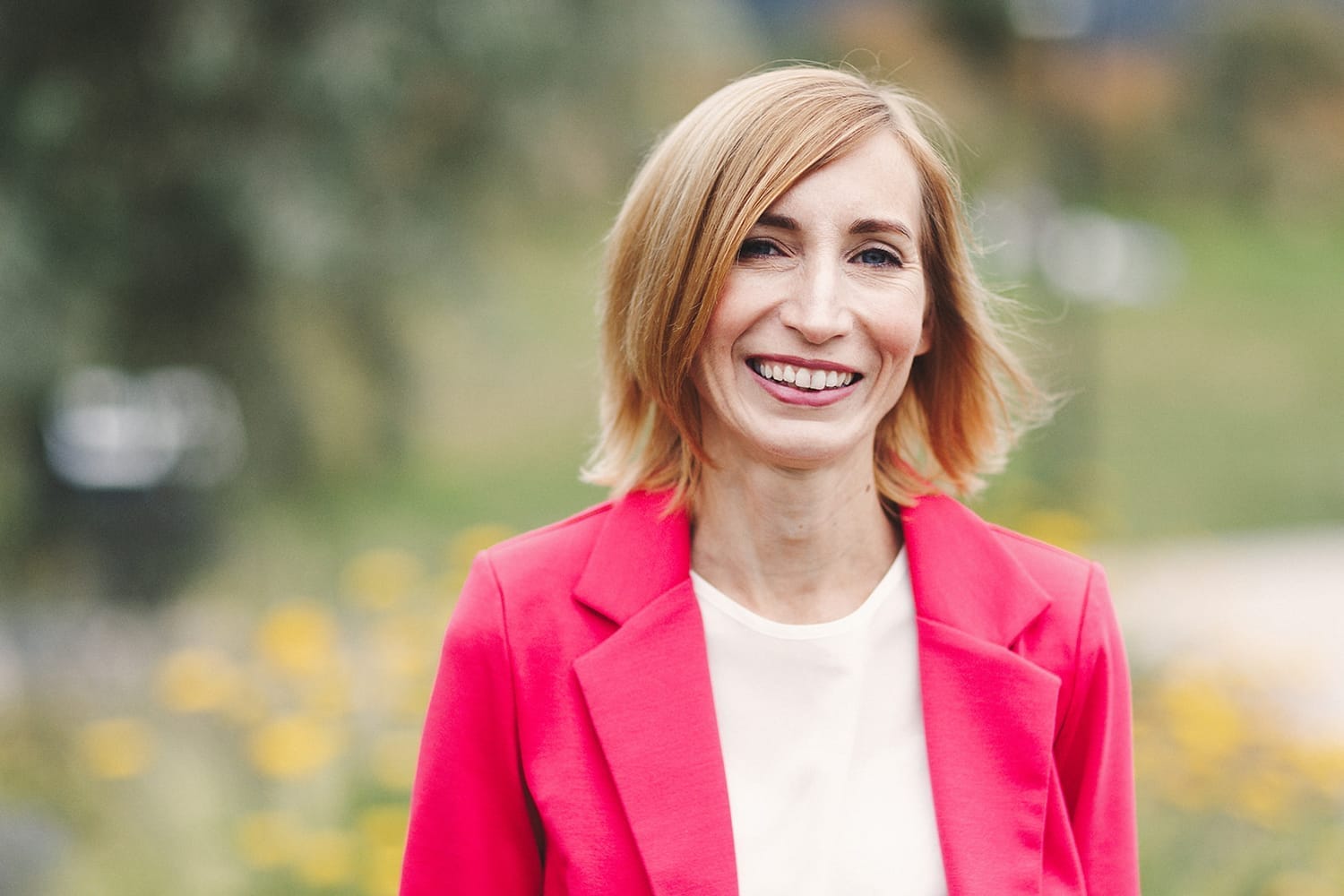
Hey, I’m Francesca…
an executive coach and consultant specialising in neuroinclusion.
Drawing on 20+ years in HR leadership and MY lived experience of autism and ADHD, I help individuals and organisations create space for authenticity to thrive.


Join my mailing list:
Receive gentle insights, reflections and practical tools to help you build a life that works with your nature.
Each week, I share stories, coaching tips and sparks of encouragement for late-identified and self-identified autistic and ADHD adults - all designed to help you move from self-doubt to self-trust.
By signing up, you agree to receive emails and other updates from Sparkly Frog Coaching & Consultancy. We respect your privacy and will never share your information. You can unsubscribe at any time. For more details, please read our privacy policy.


© 2025 Sparkly Frog Coaching & Consultancy
Bringing lived neurodivergent experience and HR expertise to help you build a life that works with your nature.